Ruinism
A solo research paper coining the term "ruinism": the deliberate ruining of a medium as a creative strategy.
About this project
Ruinism is a term I coined and defined in this solo research paper. The concept is essentially: deliberately ruining the medium of an artwork, then using that specific deterioration as the centrepiece of something new.
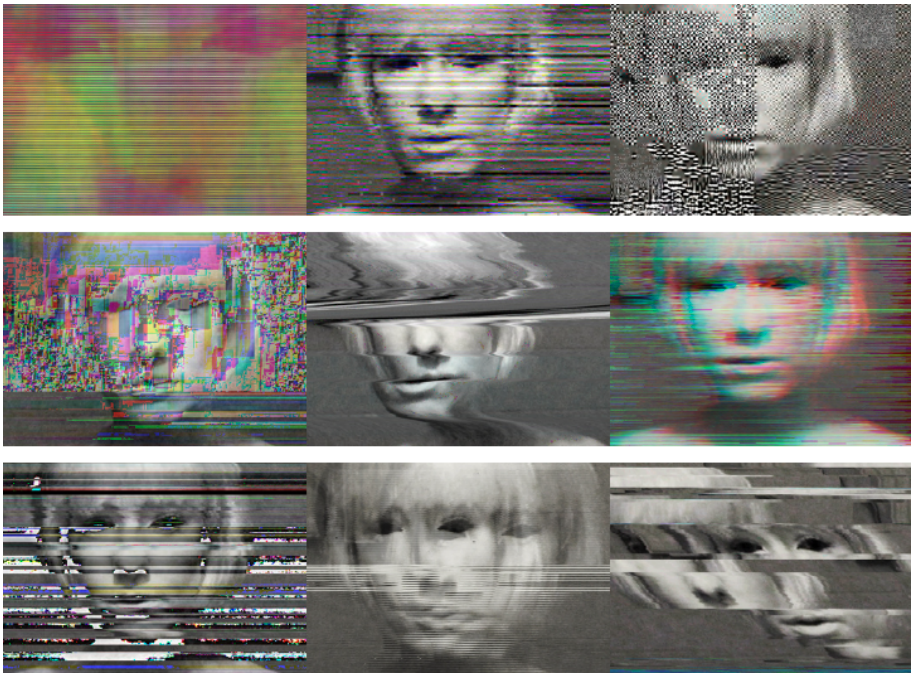
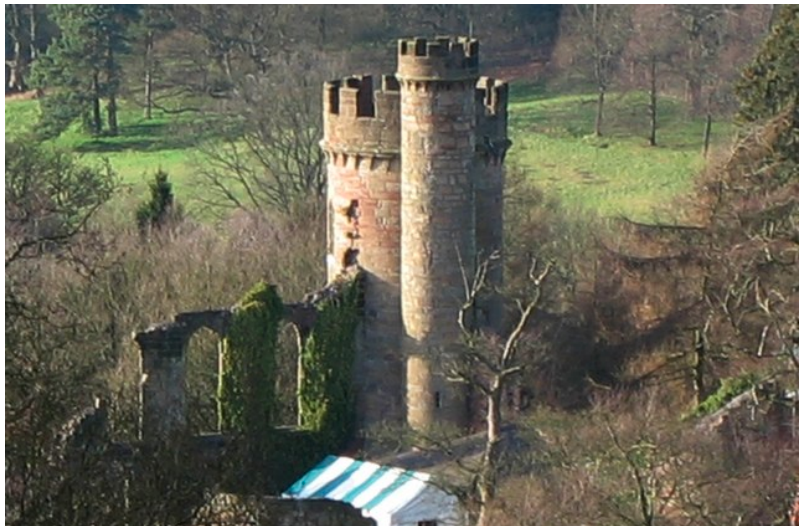
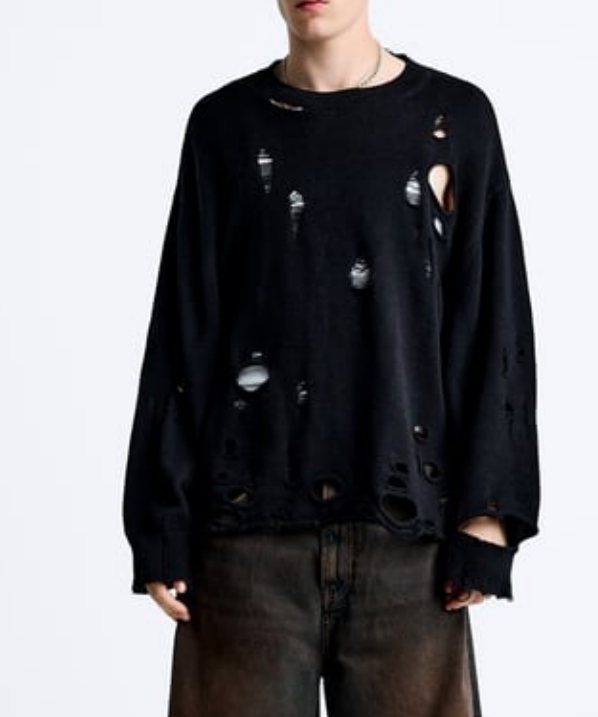
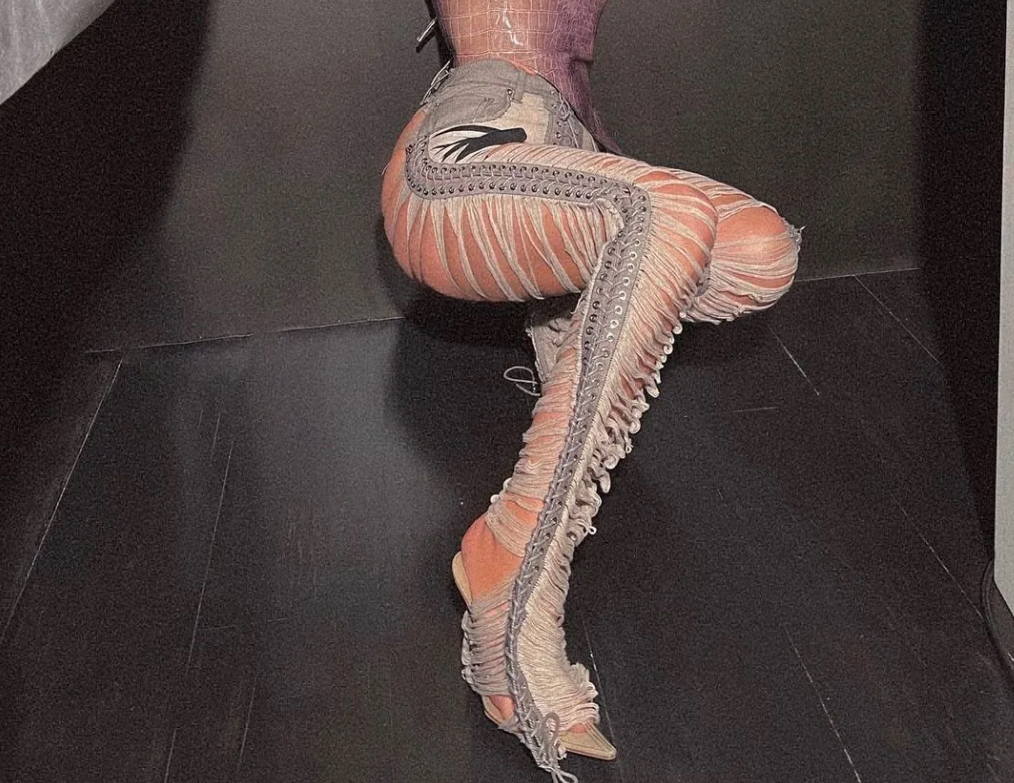
It shows up across art forms more than you'd expect. Glitch art corrupts image files on purpose. Folly ruins are buildings constructed to look already decayed. Ripped fashion destroys clothing's primary function for aesthetic effect. Out-of-tune piano renditions, like the famous Undertale version of Fallen Down, rely on the instrument's deterioration to create something that audiences sometimes prefer to the original.
The paper also draws a careful line around what ruinism is not. Kintsugi, for instance, repairs accidentally broken pottery — the ruin wasn't deliberate, so it doesn't qualify. Graffiti painted to look like glitch art doesn't qualify either, because the medium itself hasn't actually been ruined.
The underlying theme across all examples is romanticism: taking something that would normally be frustrating (a corrupted file, a collapsed building, a ripped shirt) and making it aesthetically compelling.
Screenshots